Best Places to Visit in Bhutan: Hidden Valleys & Monasteries
Bhutan doesn’t care about your schedule. Mountains don’t rush. Monks don’t hurry prayers. And those dzongs standing since the 1600s? They’ve outlasted empires.
This country rewards patience. Punishes hurry.
At GO AV Tours, we’ve taken enough travelers through these valleys to know what sticks with people. What they photograph obsessively. What they talk about years later.
Here’s your honest Bhutan travel guide. Places everyone visits. And corners most miss entirely.
Tiger's Nest: Can't Skip It
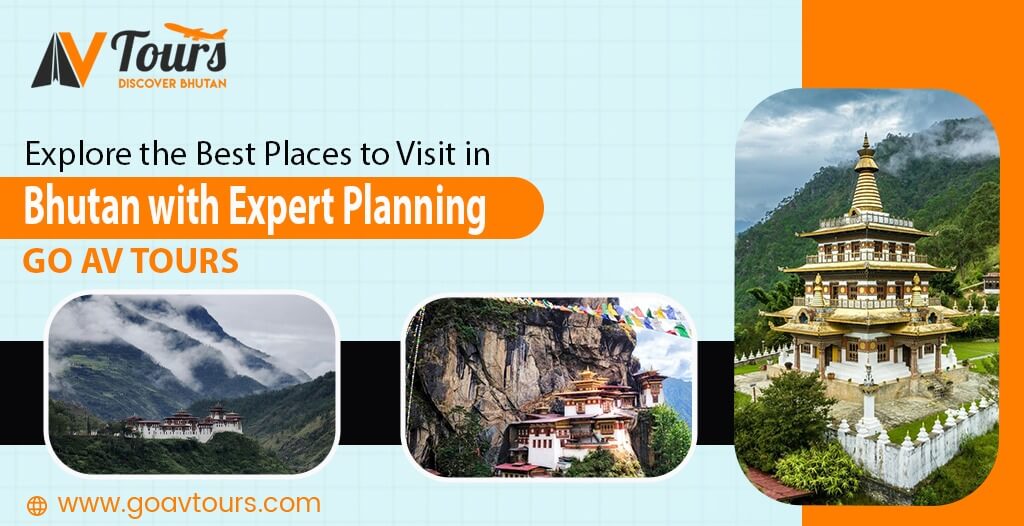
Taktsang Monastery. Paro district. 900 meters straight up from the valley floor.
Guru Padmasambhava supposedly flew here on a tigress. 8th century. Meditated in a cave for three years. Monasteries grew around that spot centuries later. Hike takes 4-5 hours round trip. Steep bits. Thin air that reminds you of altitude is real.
Here’s what most Bhutan sightseeing tour descriptions skip. Morning matters. Reach the trailhead by 7 AM. Afternoon clouds roll in and steal everything. Morning light on white walls against blue? That’s the photograph.
Among top tourist places in Bhutan, this one’s mandatory. No debate.
Punakha Dzong: Rivers Meeting
Most stunning building in the country. Competition exists. This still wins.
Mo Chhu and Pho Chhu—mother and father rivers—smash together right here. Water surrounds three sides. Mountains behind. Spring brings purple jacaranda along the banks.
Built 1637. Still works as a monastery AND government office. Monks chanting inside. Officials filing paperwork. Living history. Not some frozen museum. Royal weddings happen here. The current King married in 2011. This exact spot.
Any serious Bhutan trip itinerary needs half a day minimum. Rushing through? You’ll kick yourself later.
Thimphu: No Traffic Lights
Only world capital without traffic signals. A policeman in a fancy booth directs cars by hand. That fact alone tells you how Bhutan thinks about progress.
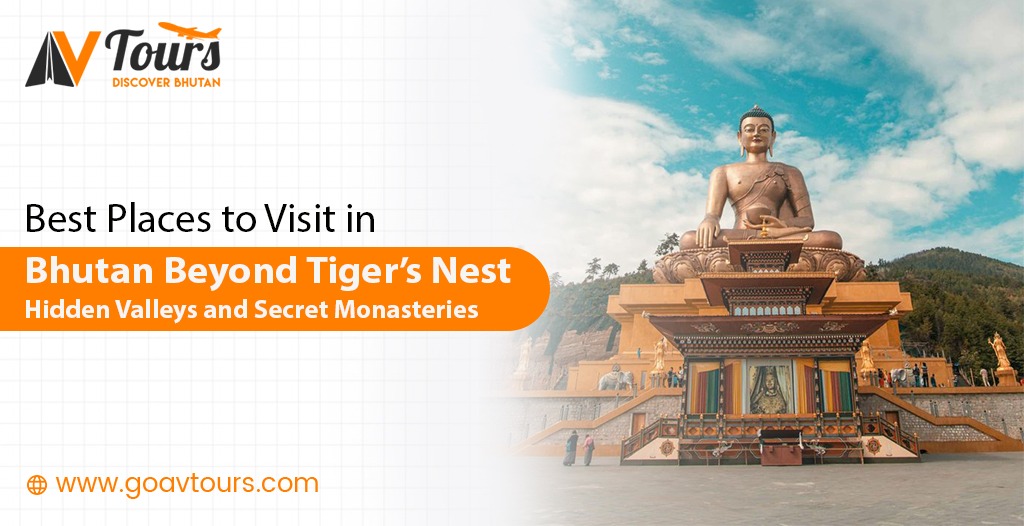
- Buddha Dordenma. 52 meters tall. Golden bronze catching light. 125,000 smaller Buddhas inside. Sunset visit. Amber glow on the statue while city lights blink on below.
- Memorial Chorten. Locals circling dawn to dark. Prayer wheels spinning. Buddhism practiced, not displayed.
- Weekend market. Dried fish. Yak cheese. Incense. Show up hungry.
For Bhutan cultural attractions, Thimphu delivers substance over flash.
Dochula Pass: 108 Stupas
An hour from Thimphu. 3,100 meters elevation. Clear days show Gangkar Puensum—highest unclimbed mountain on earth. 108 memorial chortens spread across the ridge. White structures against the sky.
Keyword: clear days. Fog swallows this pass constantly. Some travelers see only mist. Others get Himalayan panoramas stretching forever. Even fog creates magic though—stupas appearing and vanishing like ghosts.
Phobjikha Valley: Cranes and Quiet
Glacial valley. Wide. Flat. Unusual for vertical Bhutan. Black-necked cranes migrate from Tibet every winter. October through February. Endangered. Beautiful beyond words. The November festival celebrates their return.
Gangtey Monastery watches from above. 17th century. Views across the valley floor that embed themselves permanently. Bhutan nature and heritage tours peak here. No crowds. No car horns. Just mountains and marshland and silence thick enough to feel.
Bumthang: Spiritual Center
Four valleys. 2,600 meters up. Where Buddhism first grabbed hold in this land.
- Jampey Lhakhang. 7th century old. The annual festival features a naked fire dance at midnight. Fertility ritual unchanged for centuries.
- Kurjey Lhakhang. Guru Padmasambhava’s body imprint preserved in actual rock. Pilgrims travel across Bhutan for this alone.
Local buckwheat noodles. Fresh honey. Mountain cheese. Come hungry. Best time to visit Bhutan for Bumthang? Autumn. Clear weather. Festival season.
Paro Valley: More Than the Monastery
Most visitors treat Paro as Tiger’s Nest gateway only. Miss everything else. Mistake.
- Rinpung Dzong. Finest traditional architecture anywhere. The Paro Tshechu festival happens here—masked dances, giant Thongdrel banners at dawn.
- National Museum. Former watchtower. Ancient thangkas. Traditional weapons. Bhutan invented 3D stamps—collection lives here.
Valley rewards wandering. Prayer flags. Apple orchards. River winding through.
Haa Valley: Actually Untouched
Three hours from Paro. Near China and India borders. Tourism is still new here. Nature is genuinely undisturbed. Villages dotted with monasteries. Views that make photographers weep.
July festival brings yak herders down from summer pastures. Nomadic culture displayed. Fewer tourists than anywhere on standard routes.
Phuentsholing: First Taste
Entering by road from India? This border town introduces you. Indian chaos on one side. Bhutanese calm on others. One gate between worlds.
Karbandi Monastery overlooks everything. Two countries visible from a single viewpoint. Don’t rush through. One night minimum. The mind needs a gear change. Bhutan operates differently.
Building Your Bhutan Vacation
- 5 days: Phuentsholing → Thimphu → Punakha → Paro → Tiger’s Nest
- 7 days: Add Dochula properly. Two Paro nights. Haa Valley trip.
- 10+ days: Bumthang. Festival timing.
Frequently Asked Questions
● How many days are needed for the best places in Bhutan?
● Best time to visit Bhutan for mountain views?
● Can average fitness handle Tiger's Nest?
● Which places to see in Bhutan shouldn't I miss?
● Do I need a guide for all Bhutan sightseeing?
Why GO AV Tours
Bhutan tour packages exist everywhere now. Difference?
We’ve walked these trails. Built relationships with local guides over years. Custom Bhutan tours beat fixed packages because your interests differ from everyone else’s. Expert Bhutan tour planner means someone who’s actually solved problems on these roads.
Those monasteries on impossible cliffs? They’re waiting.
GO AV Tours Your Bhutan Travel Agency goavtours.com